Life & Death Education Programme – Life and Death Education Tour 2025/2026
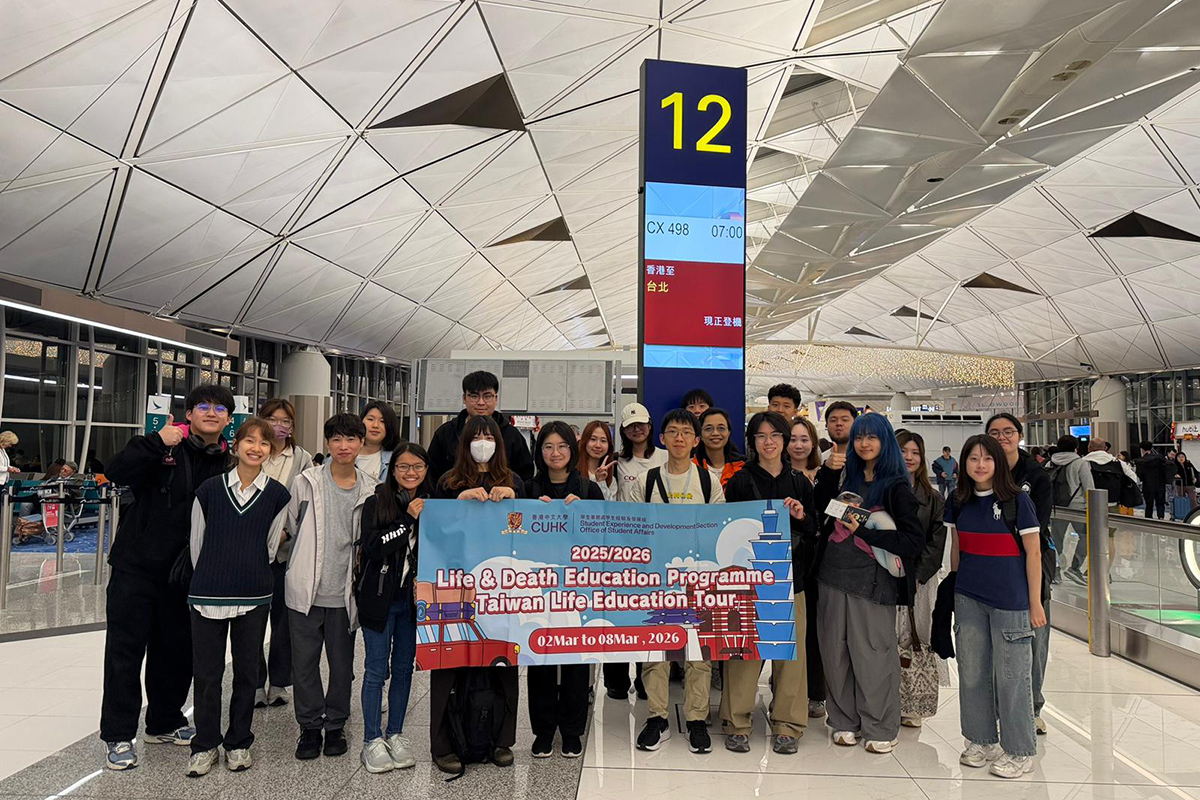
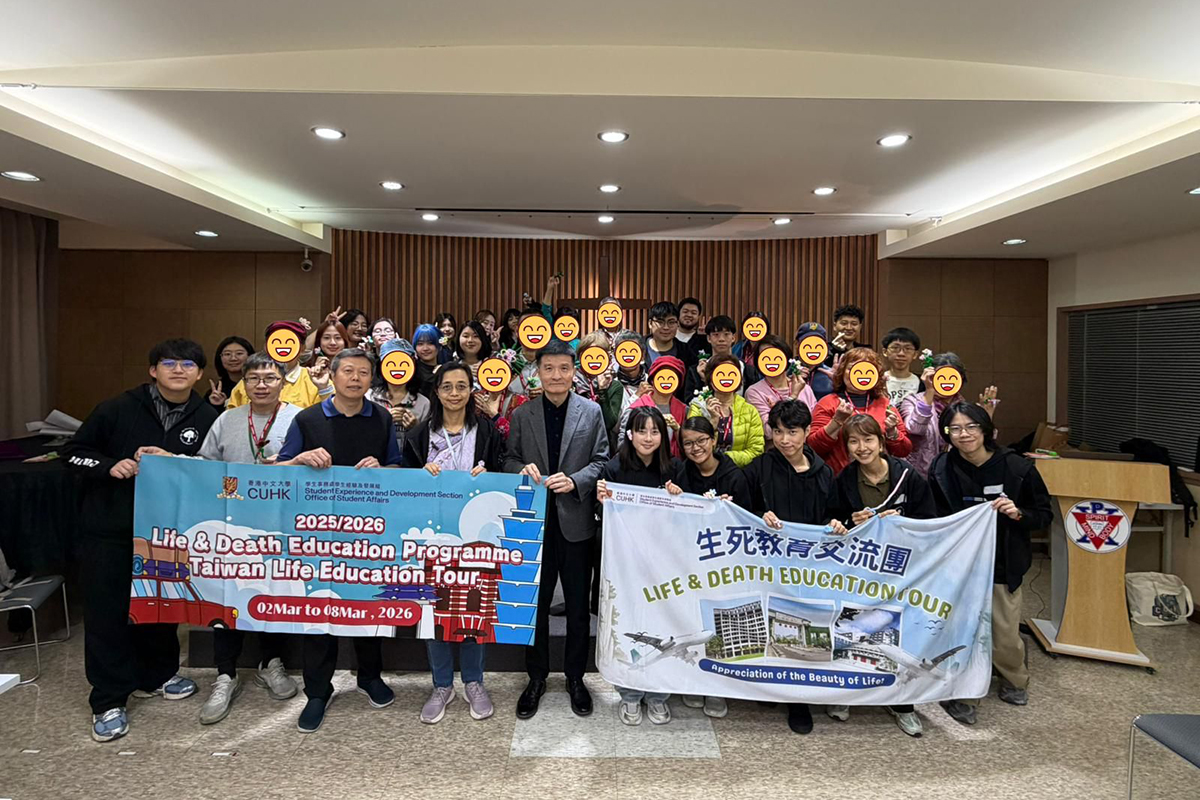
Walking with Life and Death: Reflections from the Life & Death Education Tour From 2 to 8 March 2026, 20 Life Education Ambassadors (LEAs) embarked on a seven-day Life & Death Education Tour in Taiwan, China—a journey that many later described not simply as an exchange or study trip, but as a deeply personal and transformative experience.
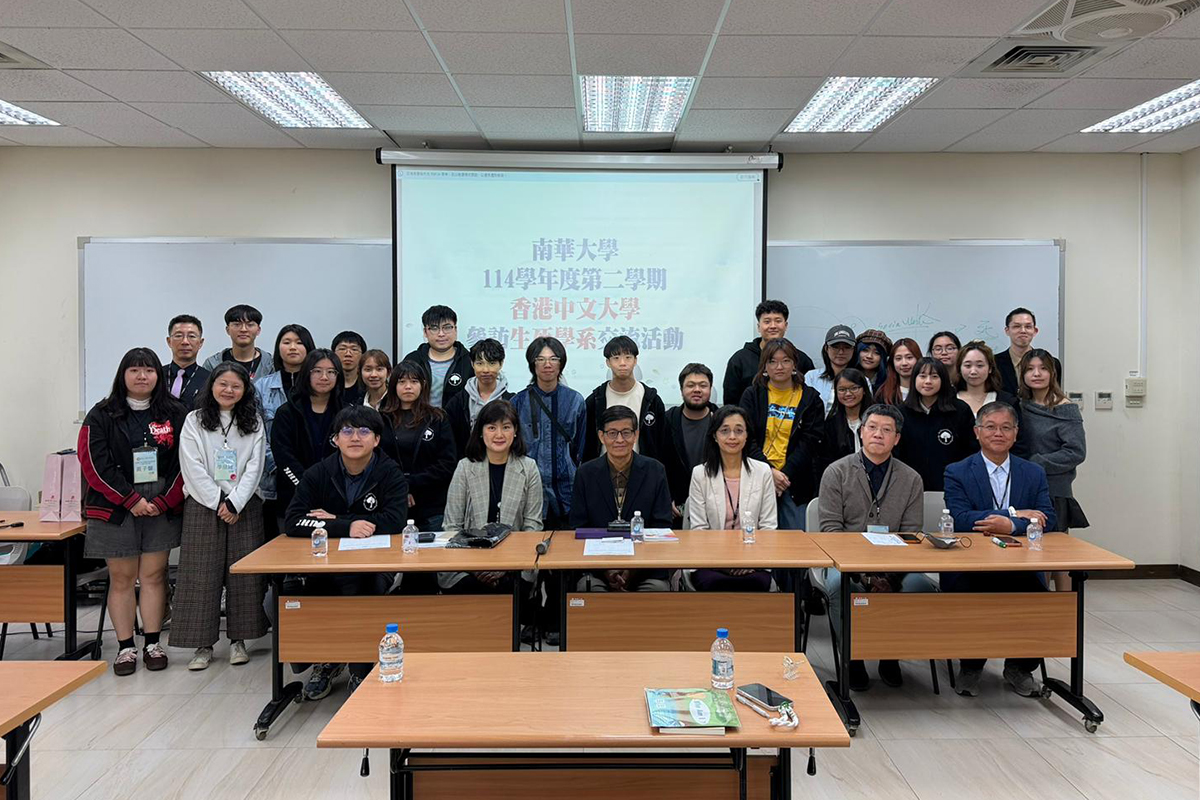
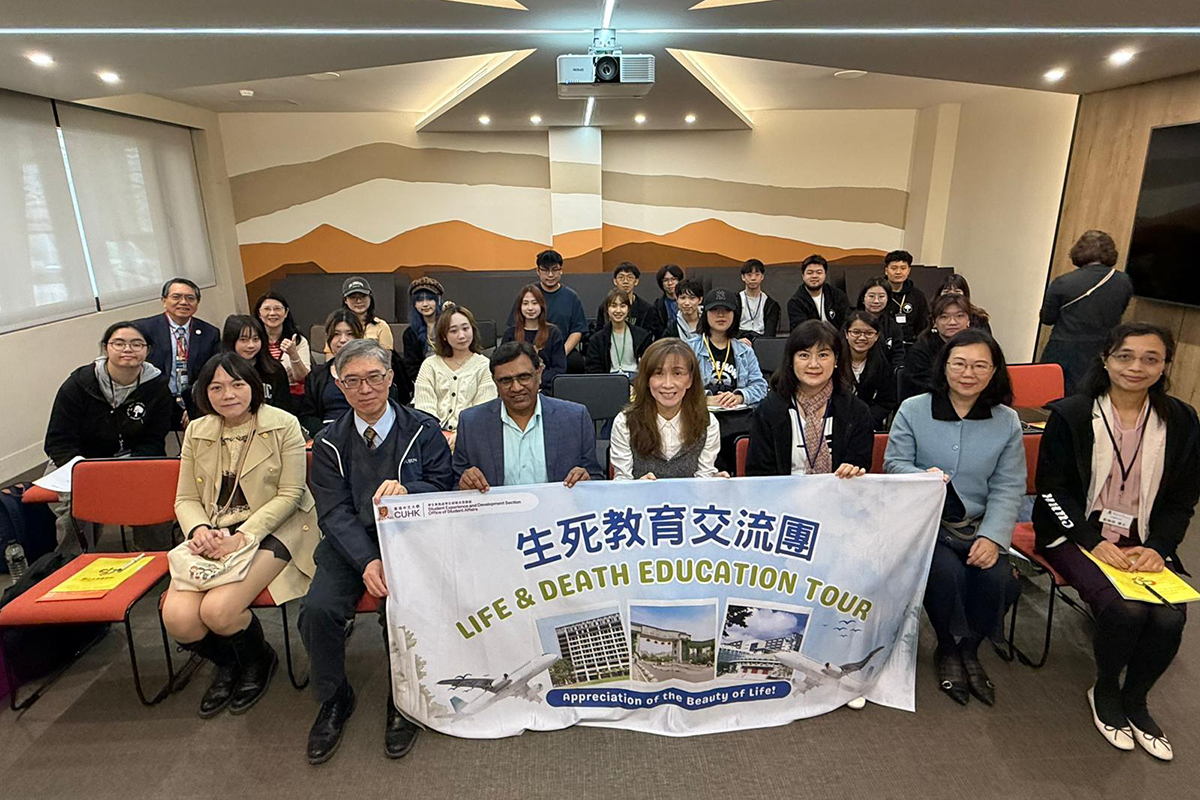
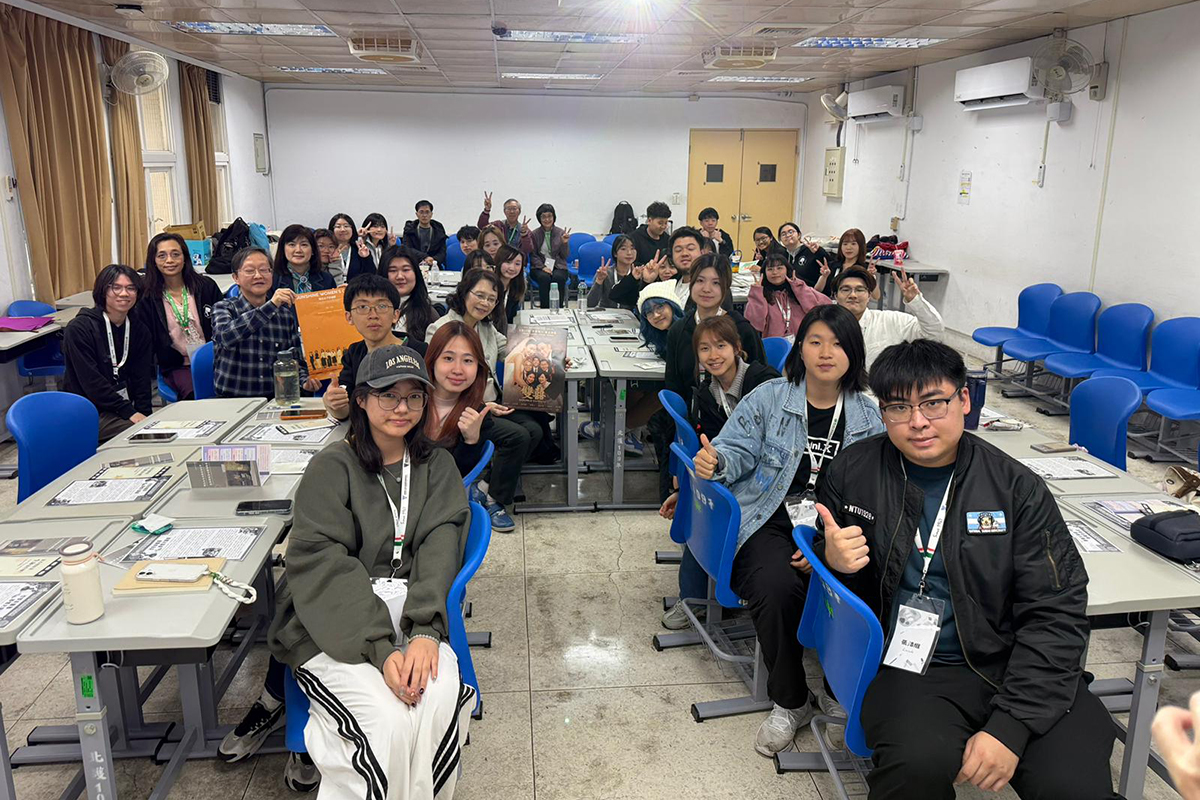
The tour brought students to a range of meaningful settings, including Chin Pao San Cemetery, YMCA, Nanhua University, Fu Jen Catholic University, the Taipei University of Nursing and Health Sciences, and the Museum of World Religions. Across these visits, students encountered how life and death education in Taiwan, China is woven into academia, healthcare, community service, culture, and daily life.
Learning to Talk about What Is Often Avoided Many students shared that before the tour, death felt like a taboo topic—something avoided out of fear, discomfort, or cultural convention. Through university exchanges and guided discussions, students were invited to face death not as an abstract concept, but as a natural and meaningful part of life.
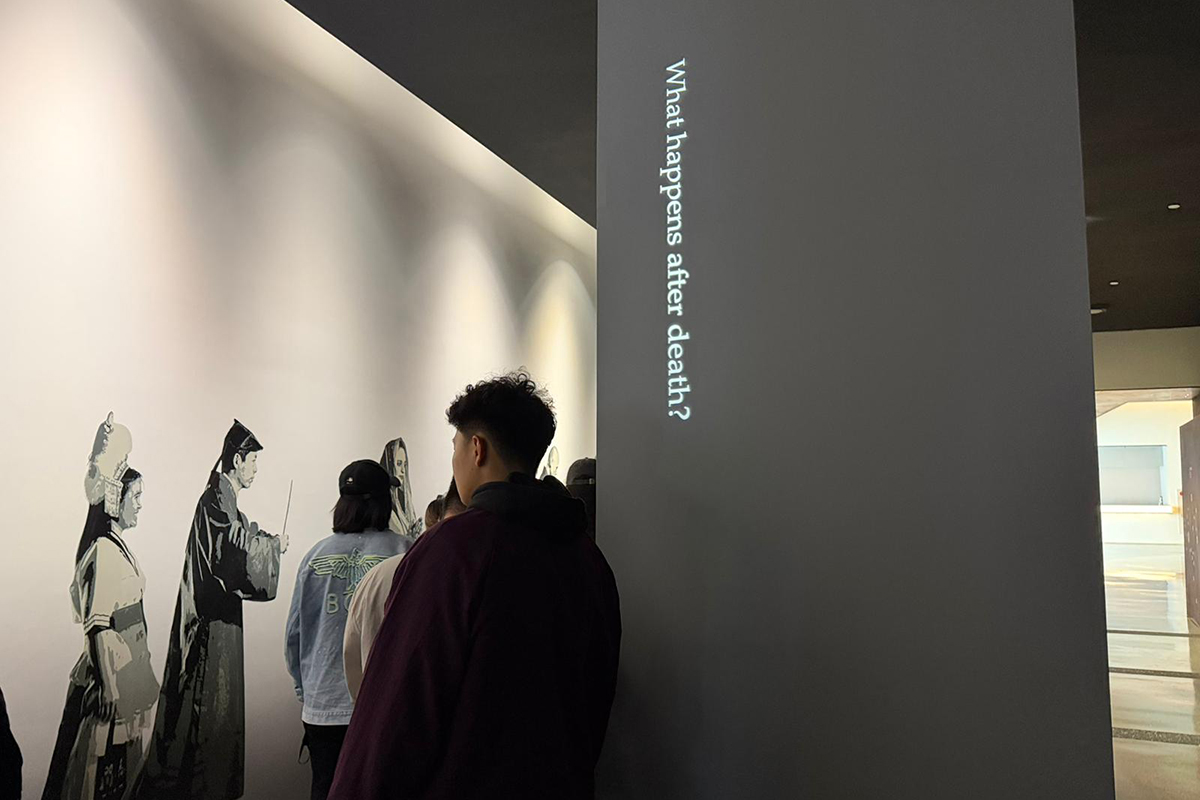
At Nanhua University’s Life Education Image Hall, students experienced immersive activities that simulated different life stages—from birth and aging to death itself. Several reflected on how confronting mortality in such a tangible way prompted them to rethink how they prioritise relationships, time, and personal values.
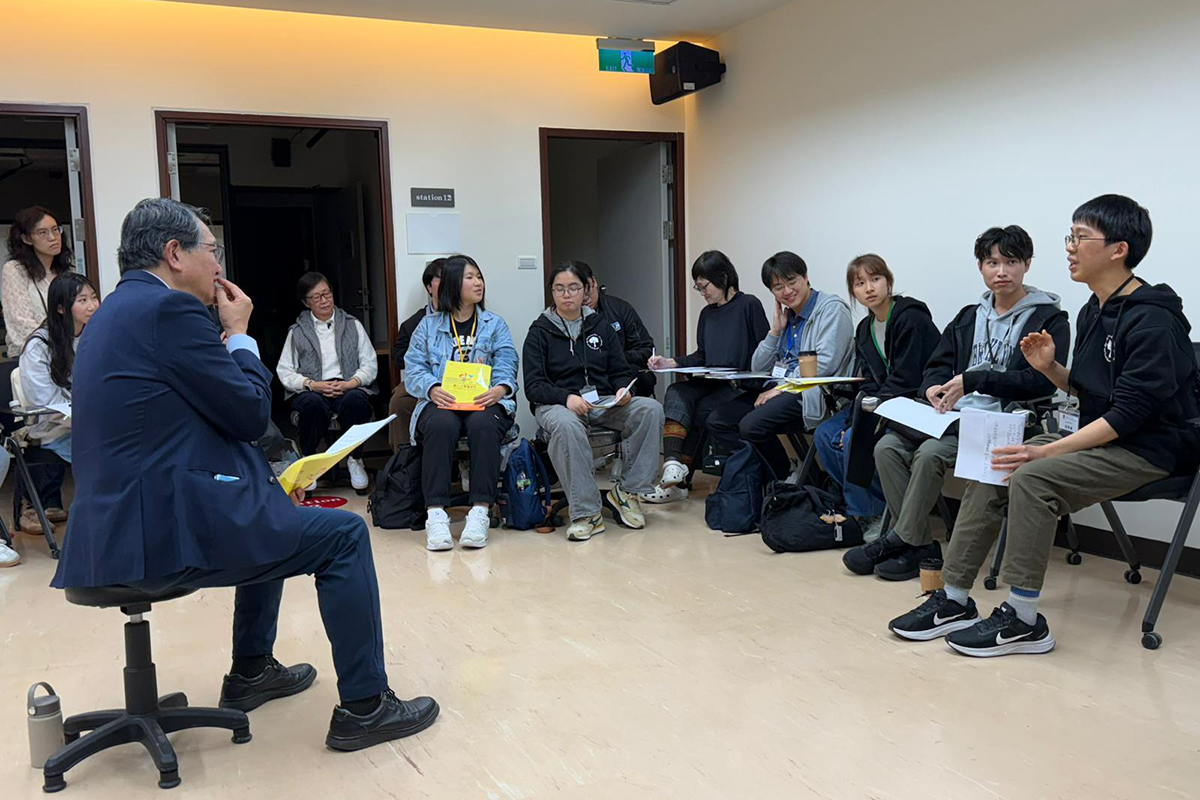
Presence Over Answers: Understanding Grief and Companionship One of the most impactful experiences for many participants was the mock grief counselling session at Fu Jen Catholic University. Working with professional standardized patients, students practiced responding to intense emotions such as shock, guilt, anger, and sorrow.
Students reflected that the simulation challenged their instinct to “fix” problems. Instead, they learned that in moments of profound loss, comfort often comes not from solutions, but from presence, listening, and staying with another person in pain. This insight resonated strongly with students from diverse disciplines, including medicine, nursing, social work, and non-clinical backgrounds.
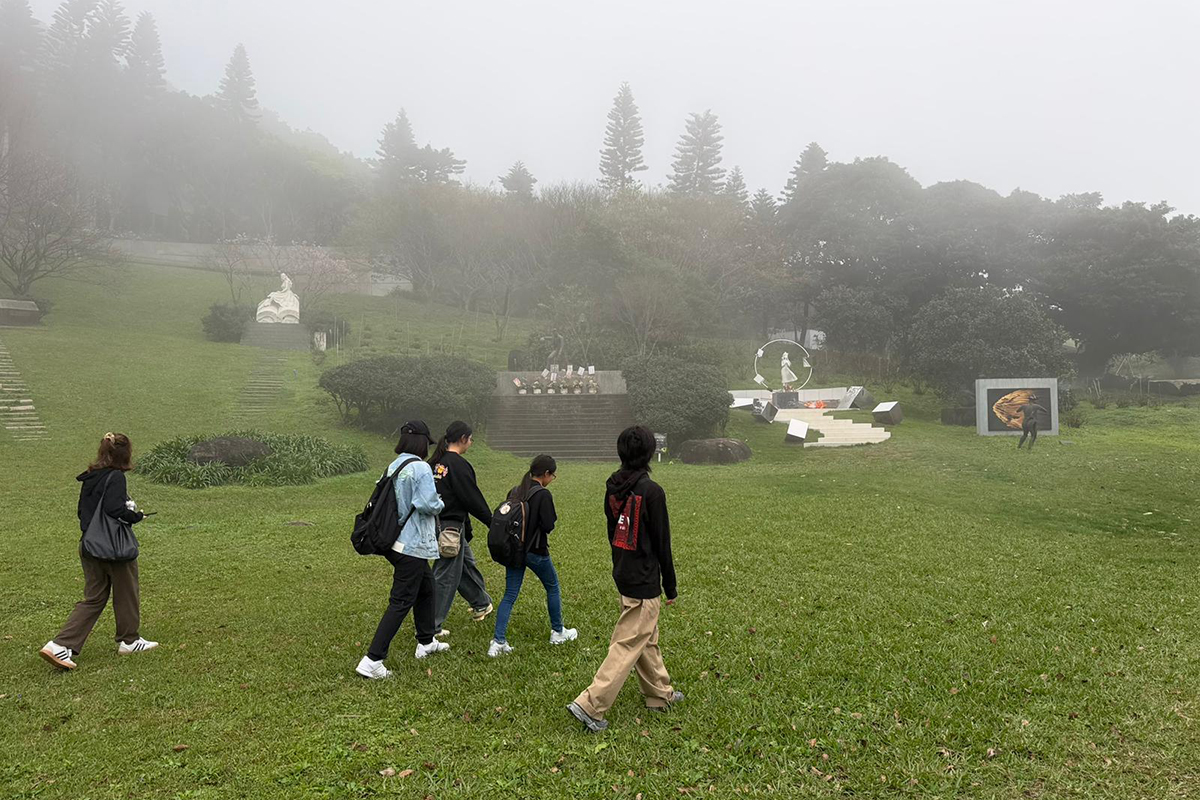
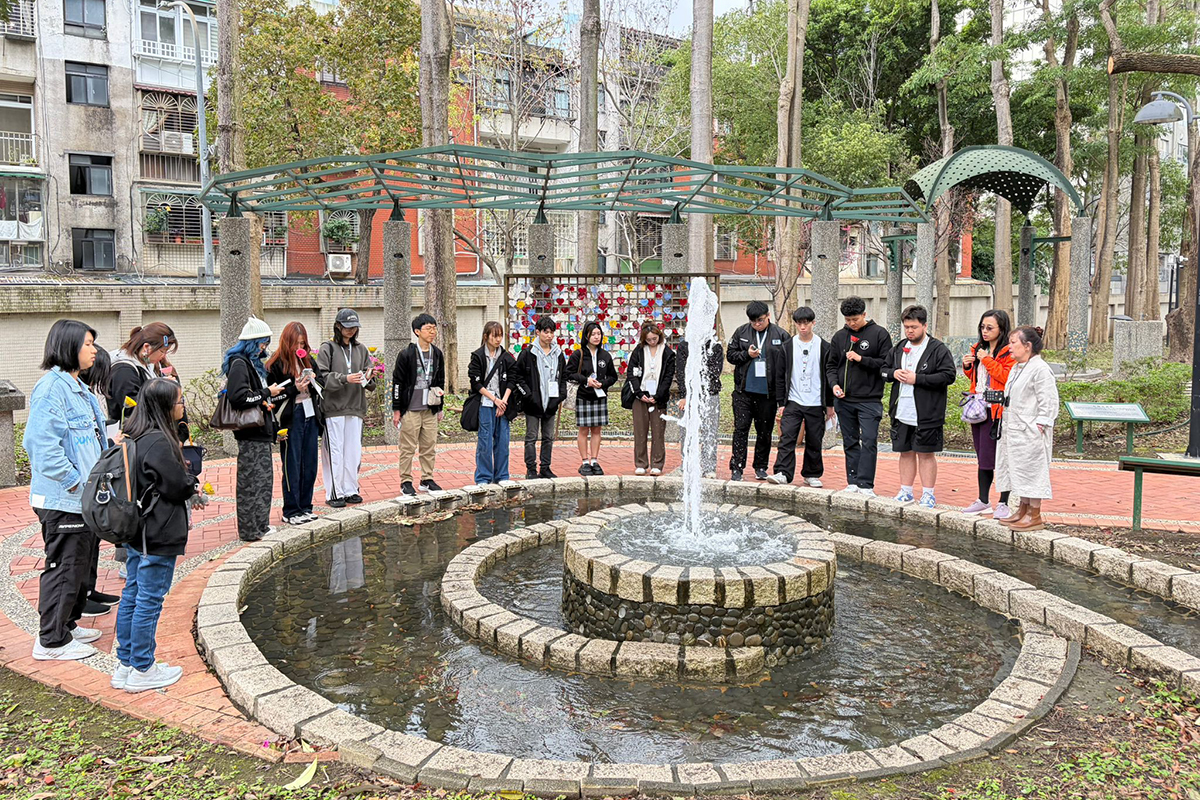
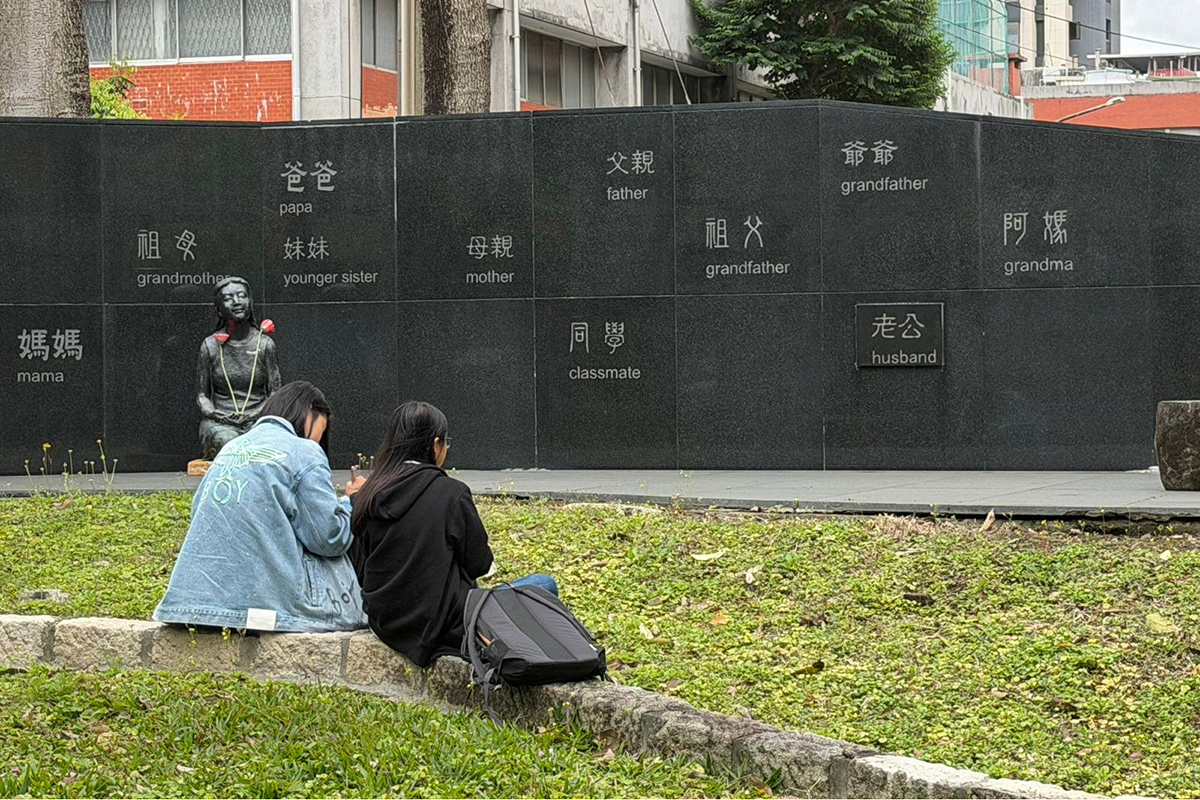
Healing Spaces and Self Care At the University of Nursing and Health Sciences, students visited the Healing Garden—an outdoor space designed specifically to support grief processing and emotional healing. Walking through areas themed around loss, forgiveness, remembrance, and reconciliation, many students discovered the importance of self-care and emotional regulation when supporting others.
Several students shared that the experience helped them recognise their own unprocessed grief, inner stress, or emotional fatigue, and reminded them that caring for others also requires caring for oneself.
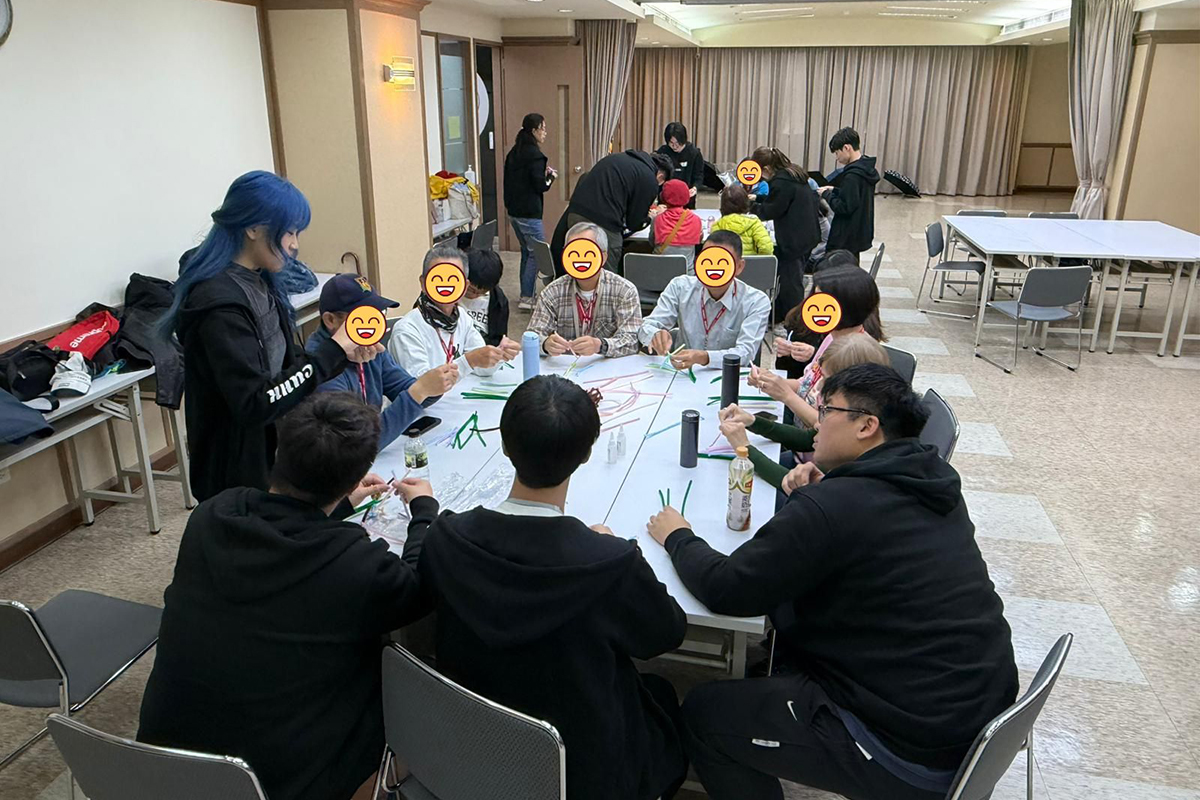
Service, Connection, and Humanity The service activities at YMCA offered a lighter yet equally meaningful contrast to the emotionally intense learning moments. Through games and cultural exchange with local elderly participants, students experienced how warmth, sincerity, and joy can transcend language barriers.
Many noted the openness and vitality of the elderly they met, and how these interactions challenged stereotypes about ageing, reinforced respect for lived experience, and reminded them that conversations about life and death can also be filled with laughter and connection.
A Journey That Continues Across the reflections, a shared sentiment emerged: this tour did not provide definitive answers about life or death, but it opened space for honest questioning, deeper empathy, and personal growth. Students returned to Hong Kong more willing to discuss loss with family, more attentive to emotional needs in others, and more conscious of how they wish to live.
As one student reflected, learning about death taught them “how to love life more deeply.”
The Life & Death Education Tour serves as a reminder that education is not only about knowledge, but about cultivating humanity, compassion, and the courage to face lifeexperiences together.