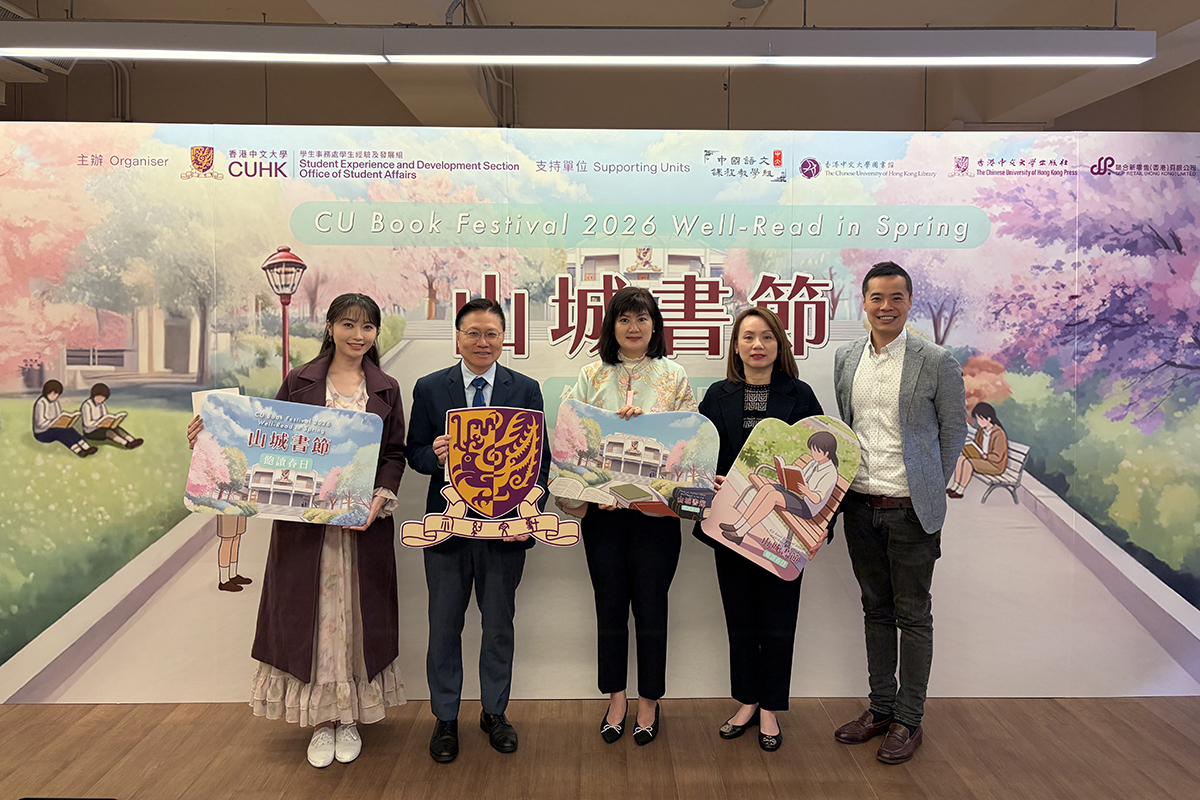
CU Book Festival 2026 Well-read In Spring Successfully Concluded
Organised by the Student Experience and Development Section of the Office of Student Affairs, the CU Book Festival 2026 was successfully held from March to April. Centered on the theme “Well-read in Spring,” the festival featured a range of activities—including the Book Crossing Pavilion, Book Talks, Workshops, Film screenings, special promotions at the University Bookstore and Exhibition of Good Reads at University Library, aiming to create a strong reading atmosphere and to reflect on the value of reading.
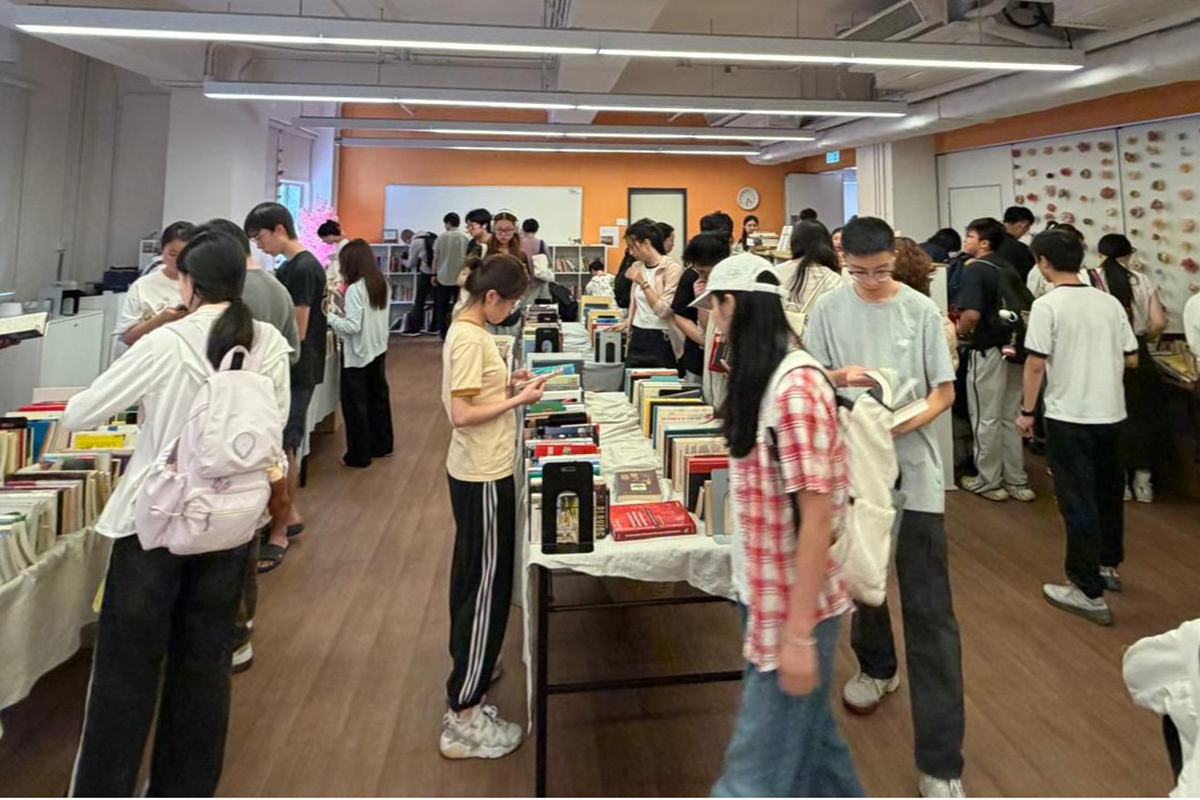
Book Crossing Pavilion stood out as the flagship event of the festival. With the generous support of the CUHK Community, 30,000 second-hand books were collected. Over 8,200 visitors took part in the activities. A total of 2,400 students and staff participated, who had successfully rehomed two-thirds of the collection. The event had given these pre-owned books a second life and nurtured a deeper appreciation for the circulation of knowledge on campus.
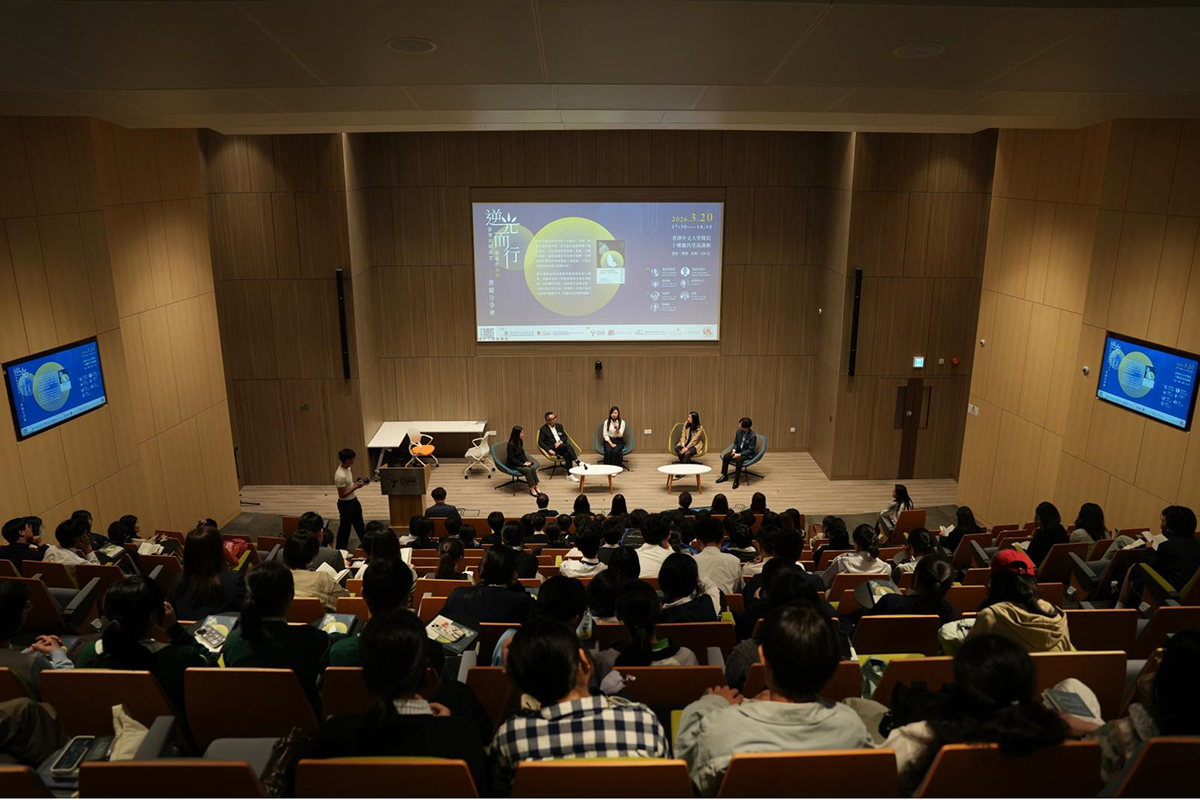
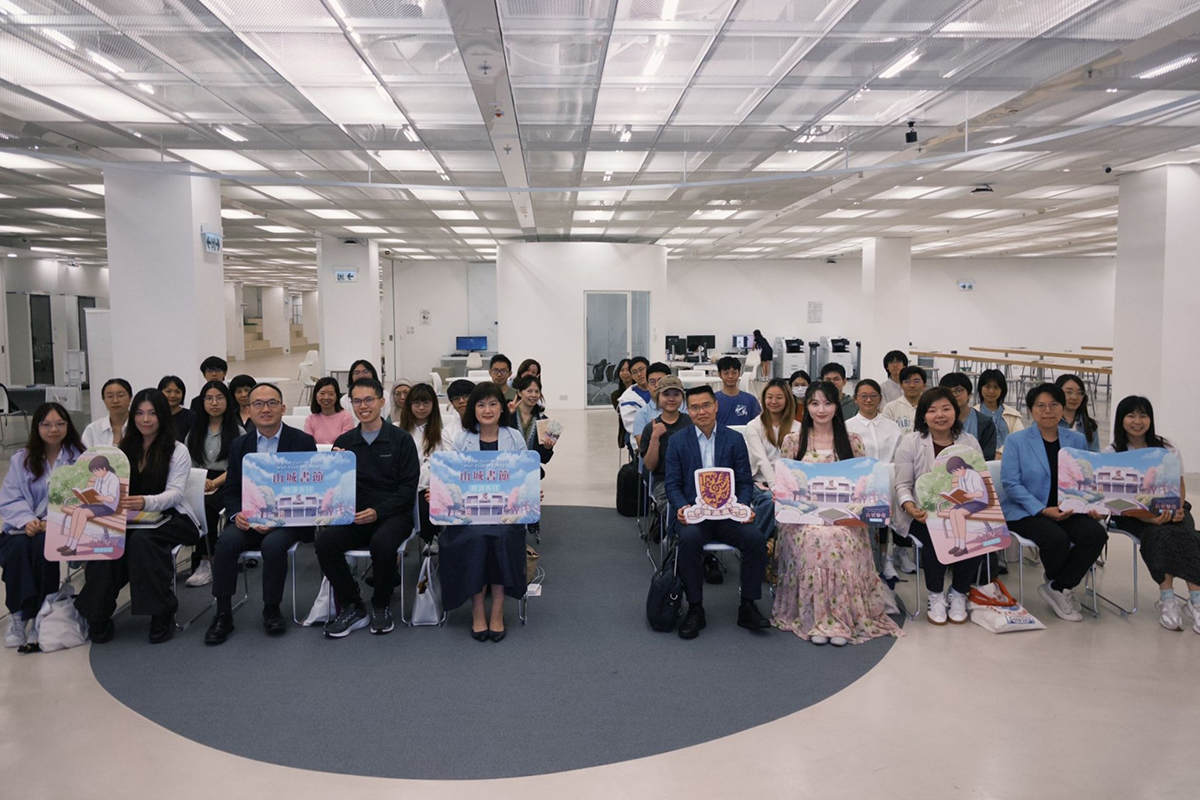
During the book festival, eight book talks and one calligraphy workshop were held. Topics spanned a wide range, including food literature, young cancer survivors, urban imagination, film adaptations of original works, Confucian studies, poetry appreciation, and cultural memory. Speakers guided participants to explore the perspectives of literary creation, academic research, and social practice – highlighting the enduring relevance of text and contemporary life.
Prof. Cheung Yin Ting (School of Pharmacy), Dr. Chan Kai Tai (Faculty of Medicine), Ms. Lauren Lau and Mr. Andrew Lau shared the book “Cancer’s Young Face: The Adolescent and Young Adult Thrivers in Hong Kong” They explored the principles and practices of holistic care physically and mentally, and emphasised ways to support mental health through sharing the rehabilitation journey of cancer survivors.
Prof. Cheng Chung Yi, from the Department of Philosophy, spoke on “Reconnection and Innovation – My Journey on Confucianism Research,” sharing his academic journey from TV scriptwriting to philosophical research. He took Mou Zongsan as his entry point to study Song – Ming Neo Confucianism, and also responded to the lineage of contemporary New Confucianism and its challenges to modernity.
Prof. Poon Ming Kay, from the Department of Chinese Language and Literature, presented “A Guide to Life in the 21st Century: The Analects”, reinterpreting the contemporary significance of the Analects and explaining why the timeless Confucius’s wisdom still serves as a practical guide for readers in 2026.
Prof. Li Ou-fan and Prof. Cheung Lik Kwan delivered “Memory, Witness, and the Reconstruction of Humanities”, delving into how personal memory and collective witnessing can help reconstitute the humanities and provoke deep reflection for cultural studies and modern literature.
Prof. Max Xiaobing Tang, Dean of Faculty of Arts, guided “How to be Happy: Poems by Stephen Dunn”, introducing the work of Stephen Dunn, winner of the Pulitzer Prize for Poetry. He shared insights gained through reading and translating contemporary American poetry and discussed the little things that bring us joy in daily lives.
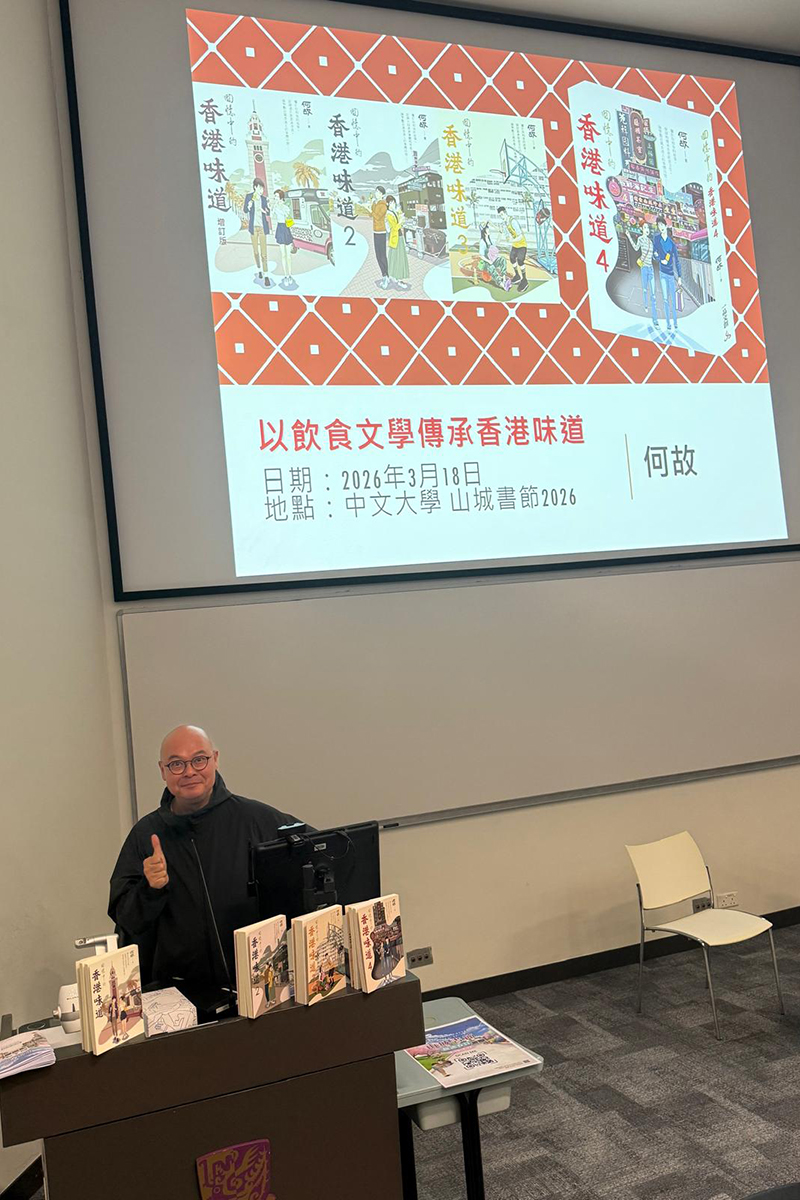
Mr. Keith Ho delivered a talk titled “Preserving the Taste of Hong Kong through Food Literature,” exploring the gastronomy and literature. Using flavor-based memories to trace Hong Kong’s cultural stories from the lanes to alleys in our everyday life.
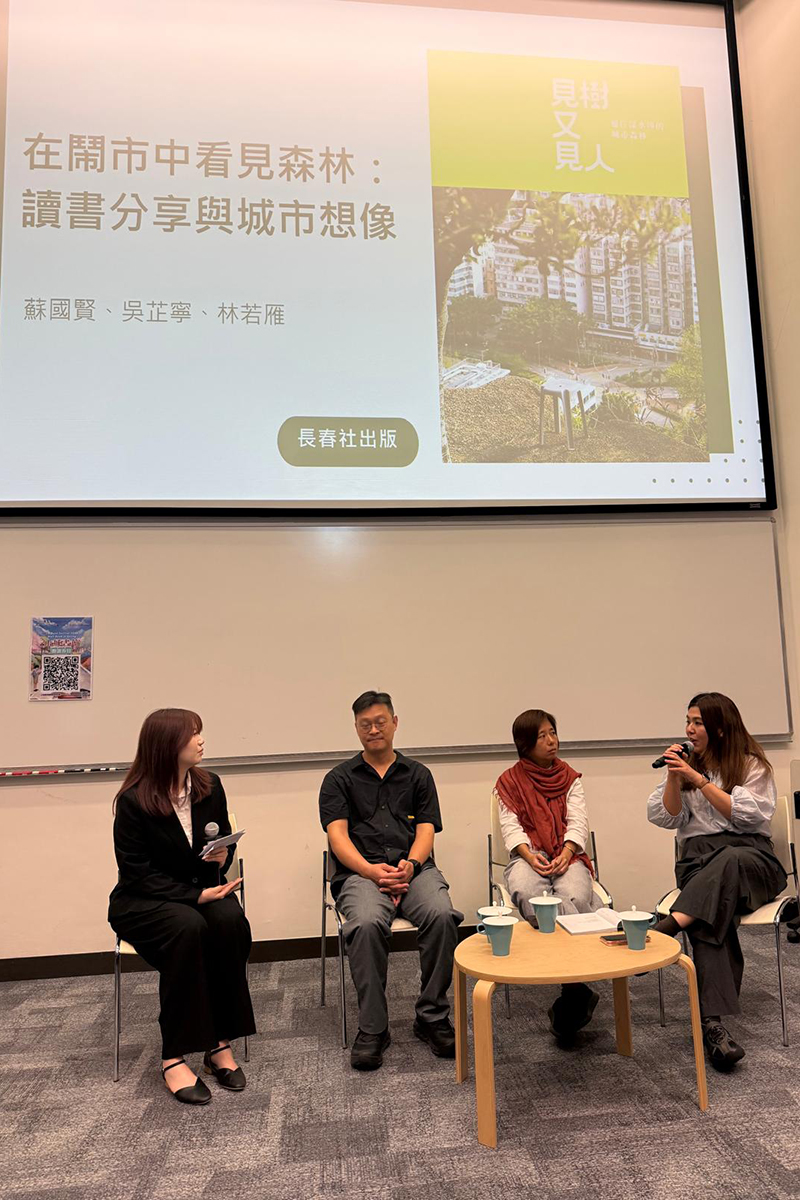
Mr. Ken So Kwok Yin, Ms. Natalie Lam Yeuk Ngan, Ms. Ng Tsz Ning led a talk on “Seeing Forests in the Midst of the Hustle: Reading Sharing and Urban Imagination,” using Sham Shui Po as a case study to document community stories of coexistence between people and plants, and to discuss the challenges of “urban forests” today as well as future possibilities.
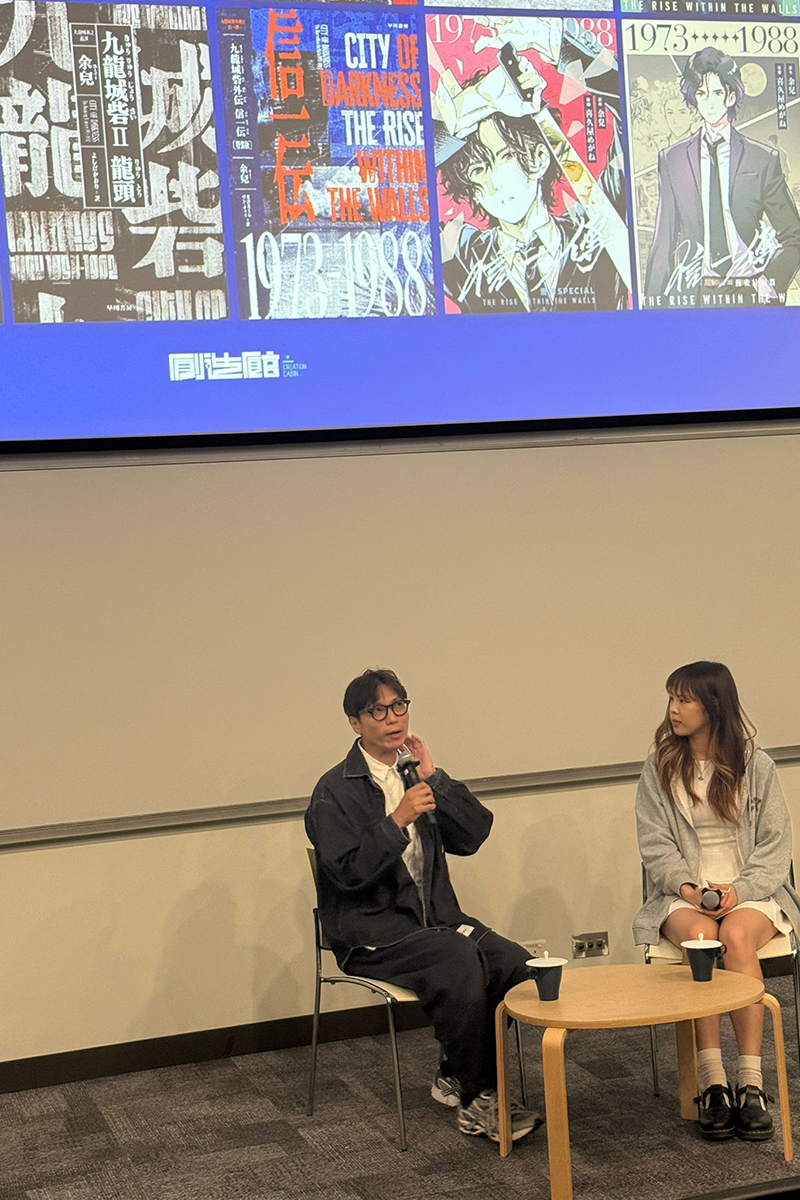
Mr. Yu Yi, the author of “Kowloon Walled City”, was invited to share his inspiration for the process for the intricacies of worldbuilding, and the challenges and opportunities of adapting the book into film.
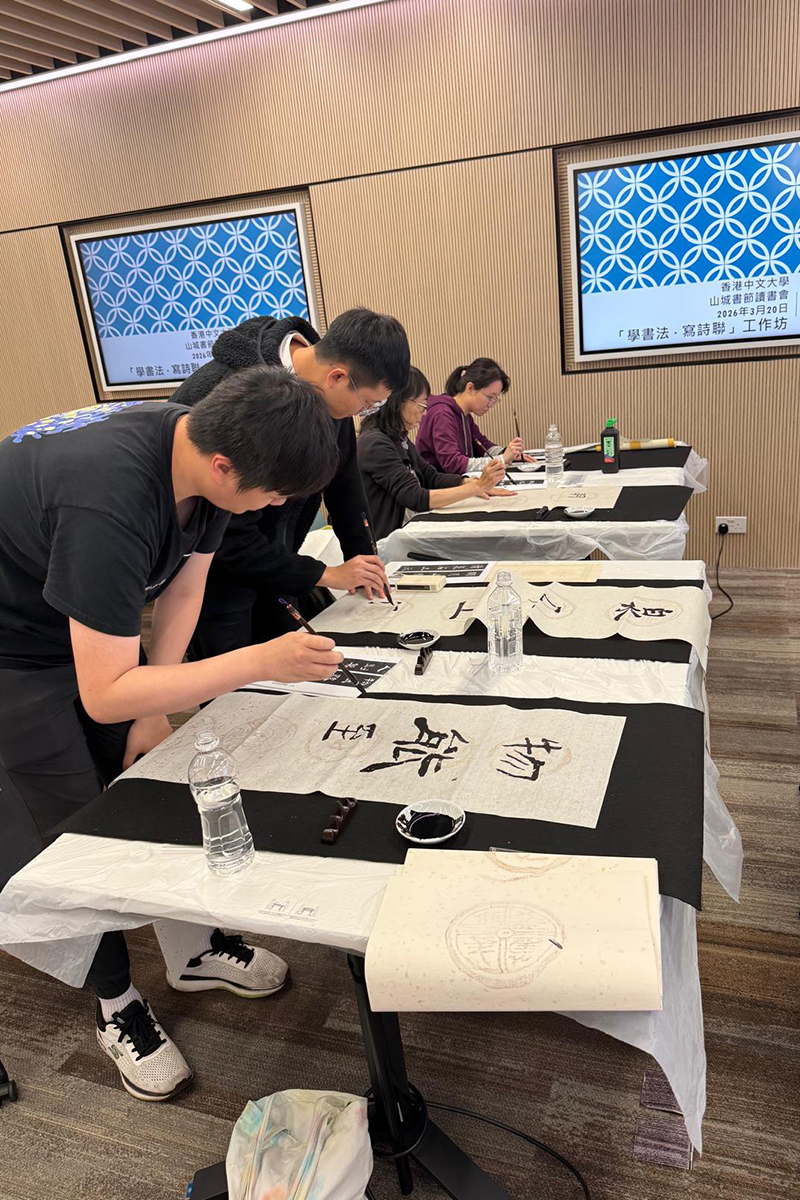
In addition, Dr. Yim Chi Sing from the Department of Chinese Language and Literature hosted a calligraphy workshop titled “Learning Calligraphy and Writing Chinese Couplets”, providing instruction, demonstration, and hands-on practice. Participants experienced the foundation of calligraphy techniques and even created their own poetry couplets—discovering the quiet beauty of traditional calligraphic art.
Moreover, the screening of “Twilight of the Warriors: Walled In” in Theatre in the Mountain attracted many teachers and students. The University Library also displayed recommended reading titles up to 26 April, making it easier for readers to borrow. In addition, the University Bookstore and CUHK Press offered a 20% discount on books and provided gifts, sustaining the reading momentum on campus.
This year’s CU Book Festival was successfully carried out. We would like to place on record our appreciation to the supporting units, including the Chinese Language Teaching Team of the Department of Chinese Language and Literature, The Chinese University of Hong Kong Library, The Chinese University of Hong Kong Press and University Bookstore.